Le Corbusier

Le Corbusier (1887-1965) was a Swiss-French architect, designer, and writer, widely considered one of the most important architects of the 20th century. Born as Charles-Edouard Jeanneret in Switzerland, he later adopted the pseudonym "Le Corbusier" as a tribute to his grandfather.
Le Corbusier's work was heavily influenced by the principles of modernism, which emphasized functionality, simplicity, and a rejection of traditional styles. He was known for his innovative use of concrete and steel in his designs, as well as his interest in modular construction and urban planning.
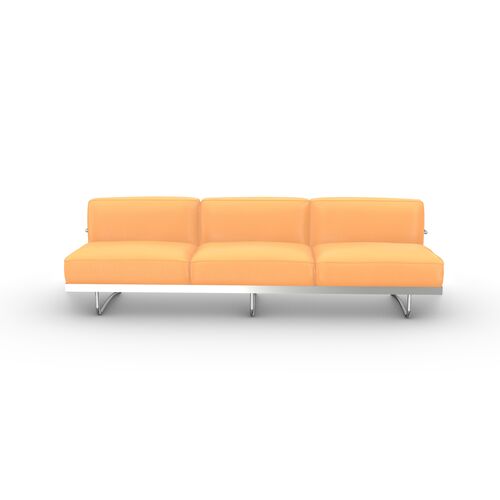
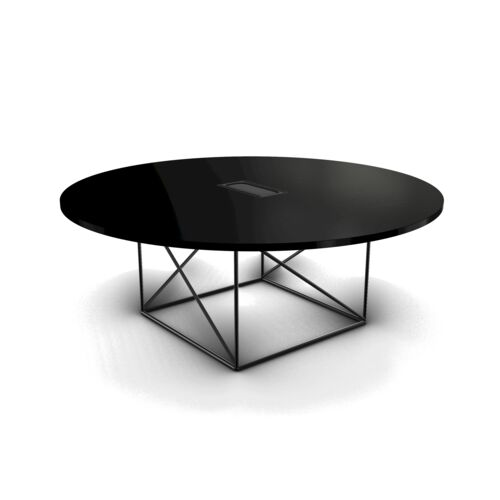
Some of Le Corbusier's most famous architectural projects include the Villa Savoye in France, the Unité d'Habitation in France, and the Chandigarh Capitol Complex in India. He was also a prolific designer, creating furniture, lighting, and other household objects, many of which have become iconic examples of modern design.
Le Corbusier was also a prolific writer and theorist, publishing numerous books and articles on architecture, design, and urban planning. His ideas and theories have had a significant impact on the field of architecture and design, and his work continues to be studied and admired around the world.
Despite his many accomplishments, Le Corbusier was also a controversial figure, criticized by some for his authoritarian approach to urban planning and his disregard for the needs and desires of local communities. Nevertheless, his legacy as an architect, designer, and visionary thinker remains an important part of the history of modernism and continues to influence the world of design today.