Ludwig Mies van der Rohe
Ludwig Mies van der Rohe (1886-1969) was a German-American architect and designer who is widely regarded as one of the most important figures in the development of modernist architecture.
Mies van der Rohe was born in Aachen, Germany, and began his career as an architect in the early 20th century. He quickly gained a reputation for his innovative designs, which emphasized simplicity, functionality, and the use of modern materials such as steel and glass.
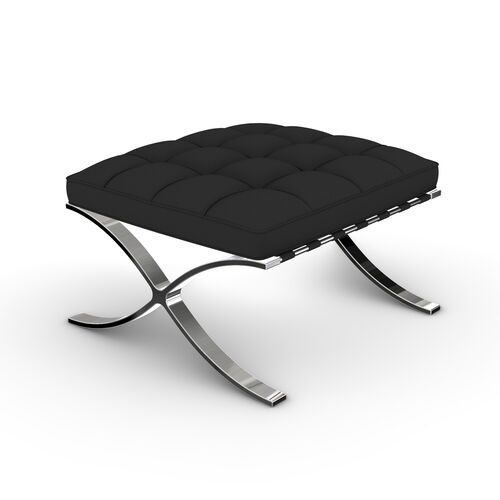
Some of Mies van der Rohe's most famous architectural works include the Barcelona Pavilion in Spain, the Tugendhat House in Czech Republic, and the Seagram Building in New York City. He was also a prolific designer, creating furniture and other household objects that were characterized by their minimalist aesthetic and use of industrial materials.
Mies van der Rohe's work was heavily influenced by the principles of modernism, which sought to reject traditional styles and embrace new technologies and materials. He is known for his famous maxim "less is more", which reflected his belief in the power of simplicity and clarity in design.
Today, Mies van der Rohe's work continues to be studied and admired by architects and designers around the world. His ideas and theories have had a profound impact on the field of architecture, and his legacy as a visionary thinker and designer continues to inspire new generations of creatives.